
Achilles Pain
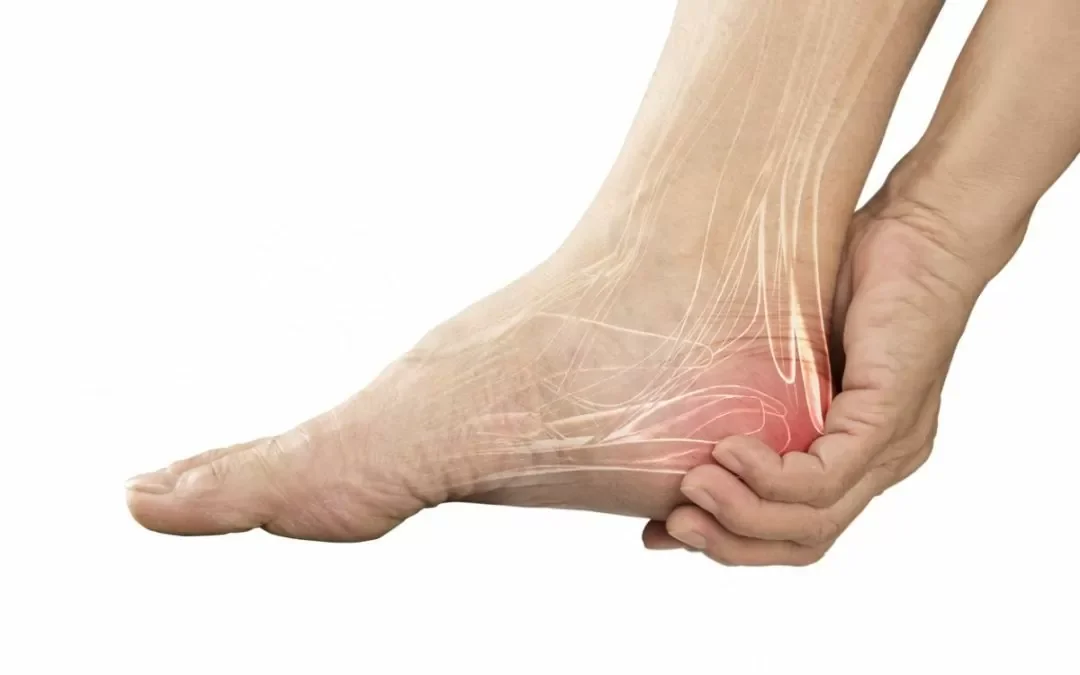
Achilles Tendonitis is a common inflammatory condition affecting the largest tendon in the human body. Located at the back of the lower leg, the Achilles tendon connects the gastrocnemius and soleus (calf) muscles to the calcaneus (heel bone). It is the primary driver for "plantarflexion"—the action of pushing off the ground during walking, running, and jumping.
Achilles Tendonitis

Symptoms
Pain, soreness, tenderness, stiffness, or aching along the tendon; swelling or thickening of the tendon cord; pain when the tendon is squeezed.

Treatment
Custom Orthotics, Laser/Shockwave Therapy, Stretching, Night Splints, Immobilization, Bracing, Manual therapy, Orthopedic Footwear
What is Achilles Tendonitis?
The Achilles tendon is a powerful, fibrous cord that acts as a mechanical bridge between your leg muscles and your foot. Achilles Tendonitis occurs when this tendon becomes inflamed due to repetitive stress. Because the tendon has a relatively limited blood supply compared to muscles, it is highly susceptible to "micro-trauma." When the rate of these microscopic tears exceeds the body’s ability to repair them, the tendon begins to thicken and weaken, resulting in localized pain. If left untreated, chronic tendonitis can lead to Achilles Tendonosis (a degenerative state) or even a full rupture of the tendon.
What can cause Achilles Tendonitis?
At Active Arches, we recognize that while "overuse" is the catalyst, the root cause is often mechanical:
Repetitive Stress: Increased or sudden bursts of activity that put excessive load on the tendon.
Biomechanical Imbalance: Having flat feet or excessive pronation (arch collapse) causes the heel to tilt, placing an uneven "twisting" strain on the tendon.
Tight Calf Muscles: Inflexible muscles pull constantly on the tendon, even at rest, reducing its ability to absorb shock.
Improper Footwear: Shoes with inadequate heel support or those that are worn out can force the tendon to work harder than necessary.
What are the symptoms of Achilles Tendonitis?
Morning Stiffness: Intense aching or stiffness at the back of the heel when first waking up.
Exercise-Related Pain: Pain that may decrease during a workout but flares up significantly afterward.
Palpable Tenderness: Sharp pain when squeezing the sides of the tendon cord.
Visible Swelling: A noticeable "bump" or thickening along the tendon or where it meets the heel bone.
Risk factors for causing Achilles Tendonitis
The "Weekend Warrior": People who engage in high-intensity athletics only occasionally, shocking the tendon.
Age: Tendons naturally lose elasticity over time, making them more prone to injury after age 30.
Physical Environment: Running on hills or uneven surfaces increases the load on the Achilles.
How do you treat Achilles Tendonitis?
Our clinical goal is to reduce tension while stimulating tissue repair. Active Arches utilizes a multi-disciplinary approach:
Functional Offloading: Custom Orthotics with integrated heel lifts reduce the distance the tendon has to stretch, providing immediate relief.
Advanced Modalities: Laser or Shockwave Therapy is used to increase blood flow and trigger cellular repair in the damaged fibers.
Mechanical Stretching: Night Splints maintain the tendon in a lengthened position during sleep, preventing the painful "shortening" that causes morning stiffness.
Supportive Footwear: We prescribe shoes with a specific heel-to-toe "drop" to further reduce the load on the posterior leg.
How can I prevent Achilles Tendonitis?
Prevention is focused on gradual progression and flexibility. Daily stretching and strengthening of the calf muscles (eccentric loading) are the most effective ways to build tendon resilience. Additionally, wearing footwear tailored to your specific foot type (neutral vs. stability) ensures that the Achilles tendon is not subjected to abnormal torsional forces during activity.
Stop managing discomfort and start your recovery.
Book an appointment today and get a comprehensive assessment.