
Bunion
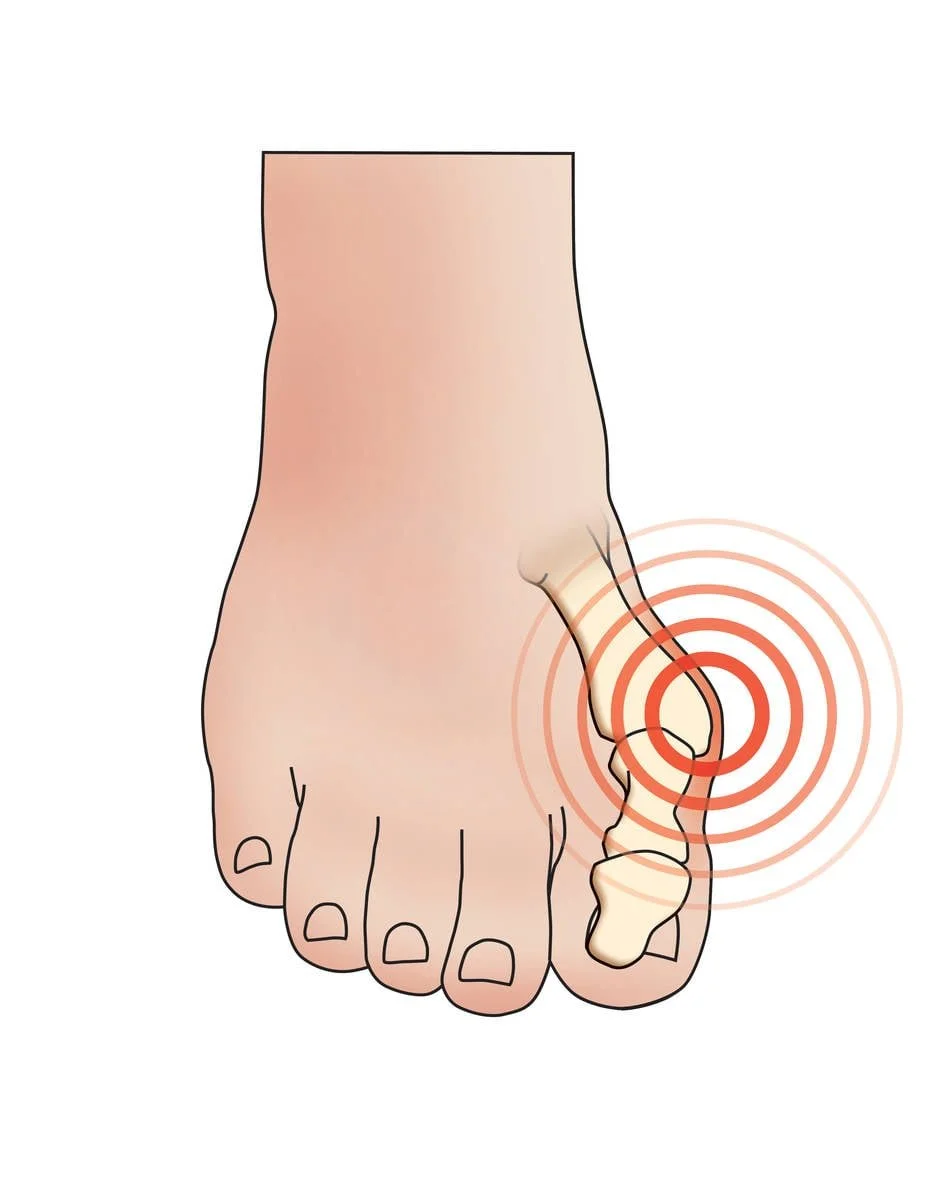
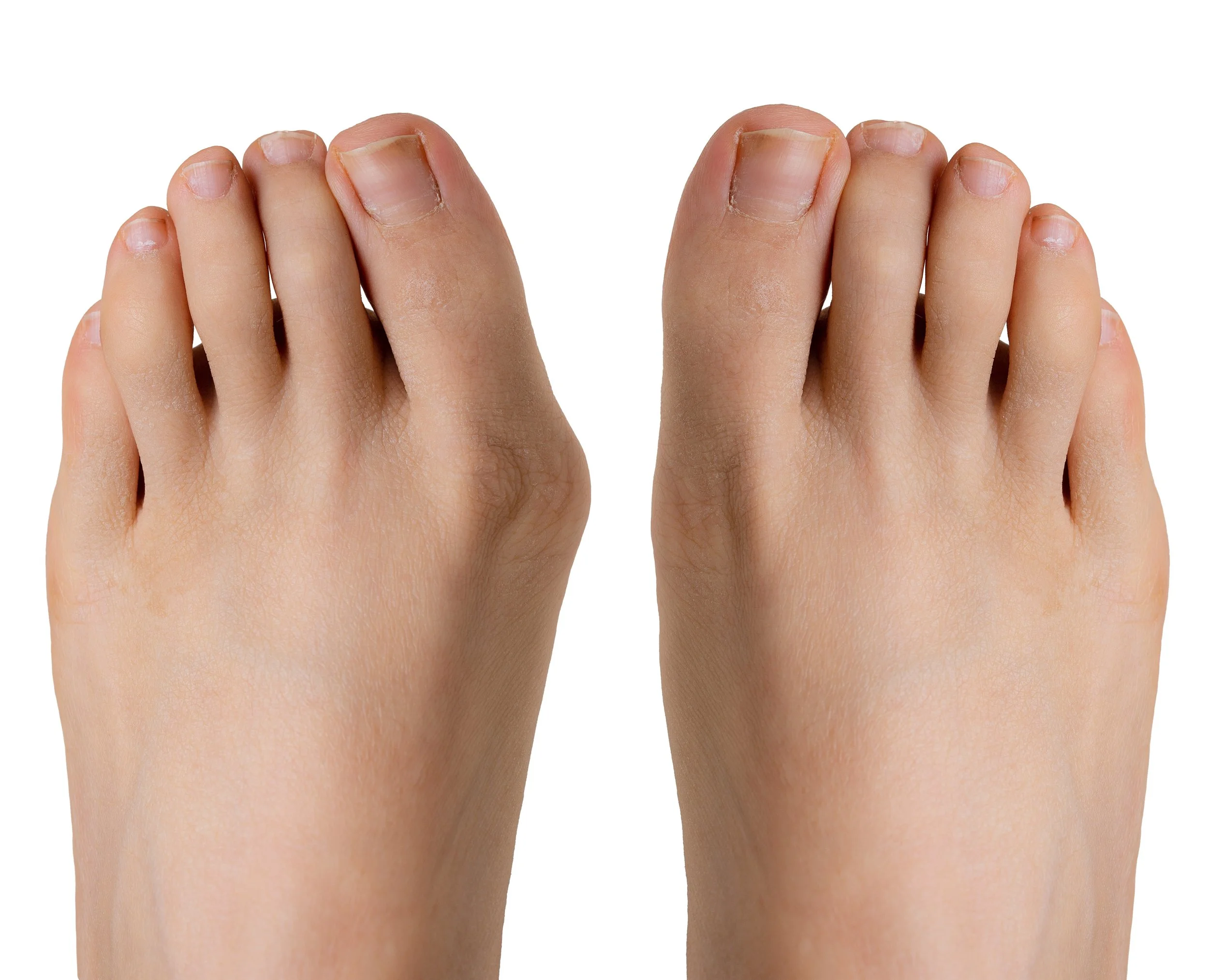
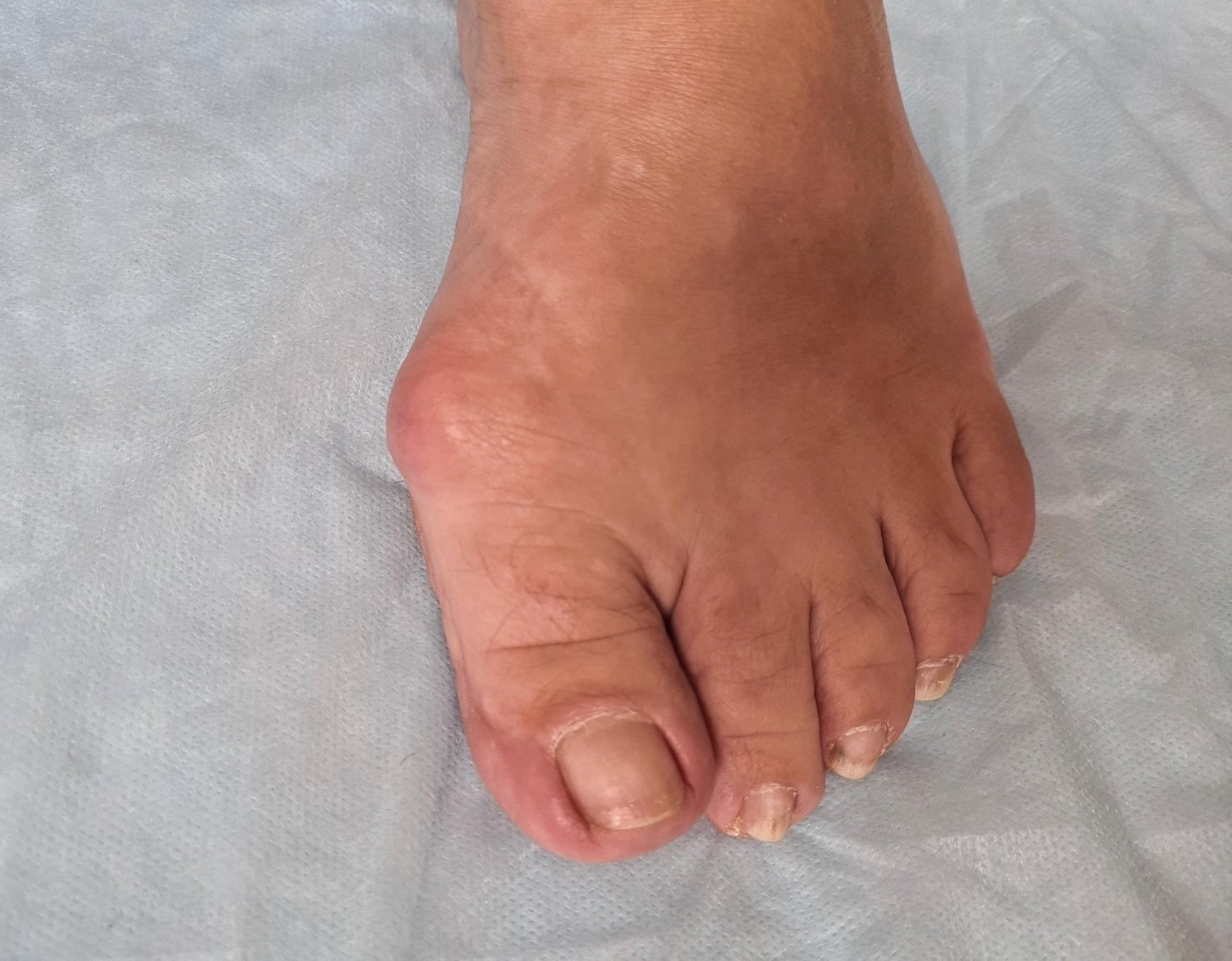
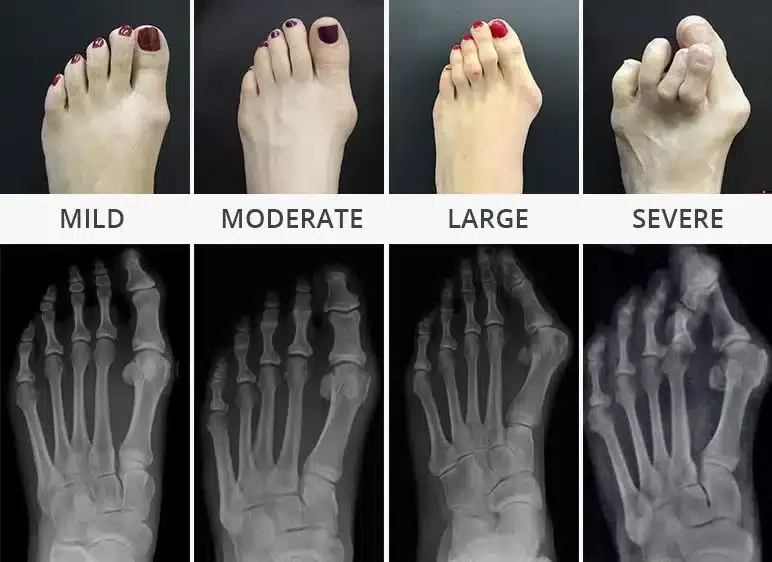
A bunion is a progressive structural deformity of the first joint at the base of the big toe. Often characterized by a visible bony protrusion on the inner side of the foot, a bunion occurs when the big toe (hallux) begins to lean inward toward the second toe. This shift forces the metatarsal bone to protrude outward, creating a misalignment that can make walking painful and finding comfortable footwear a significant challenge.
Hallux Valgus

Symptoms
Pain or soreness at the big toe joint; visible bump on the side of the foot; redness and swelling; difficulty fitting into closed-toe shoes; and restricted or painful movement of the big toe.

Treatment
Custom Orthotics, Injection Therapy, Orthopedic Footwear, Padding and Offloading, Surgical Referral.
What is a Bunion?
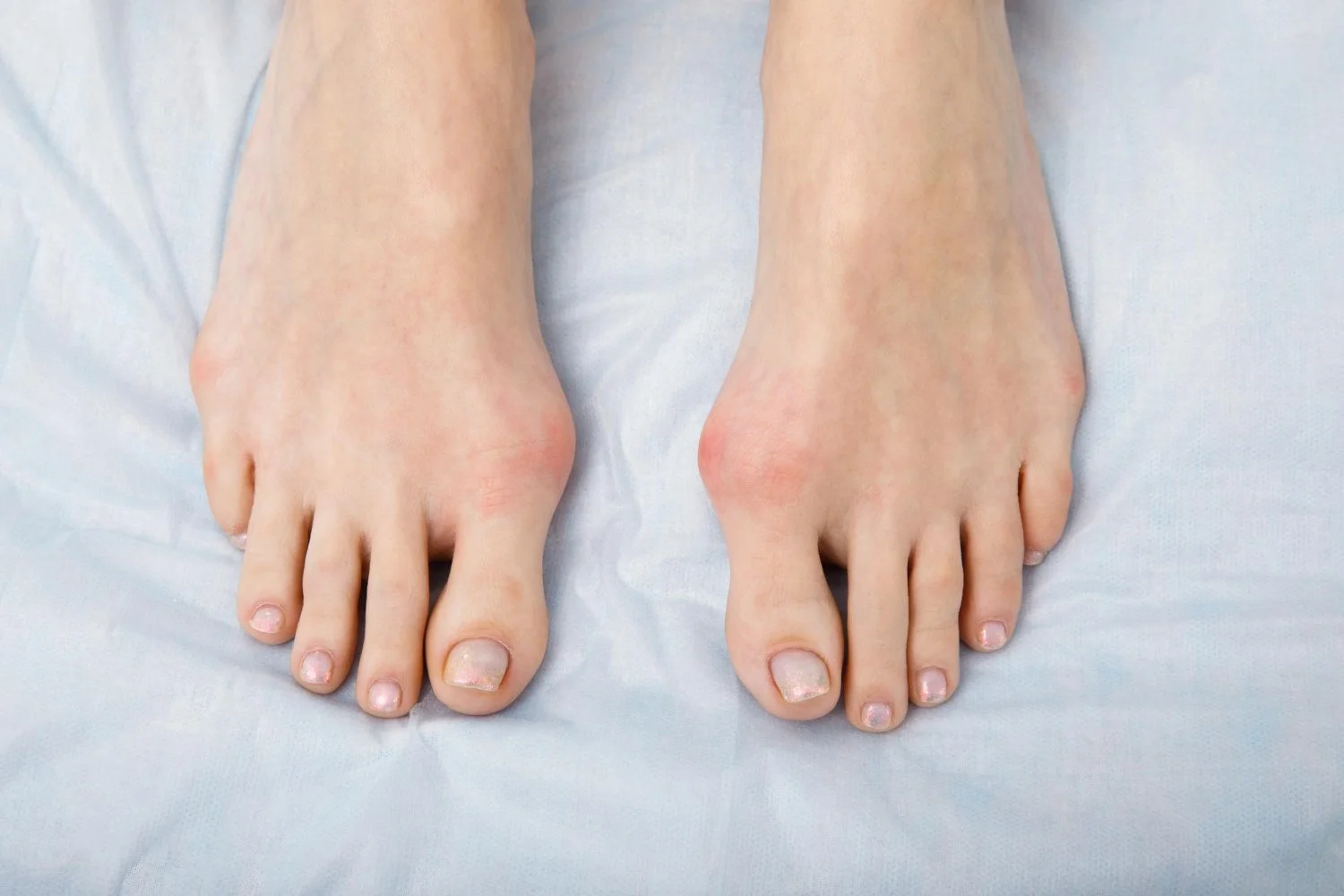
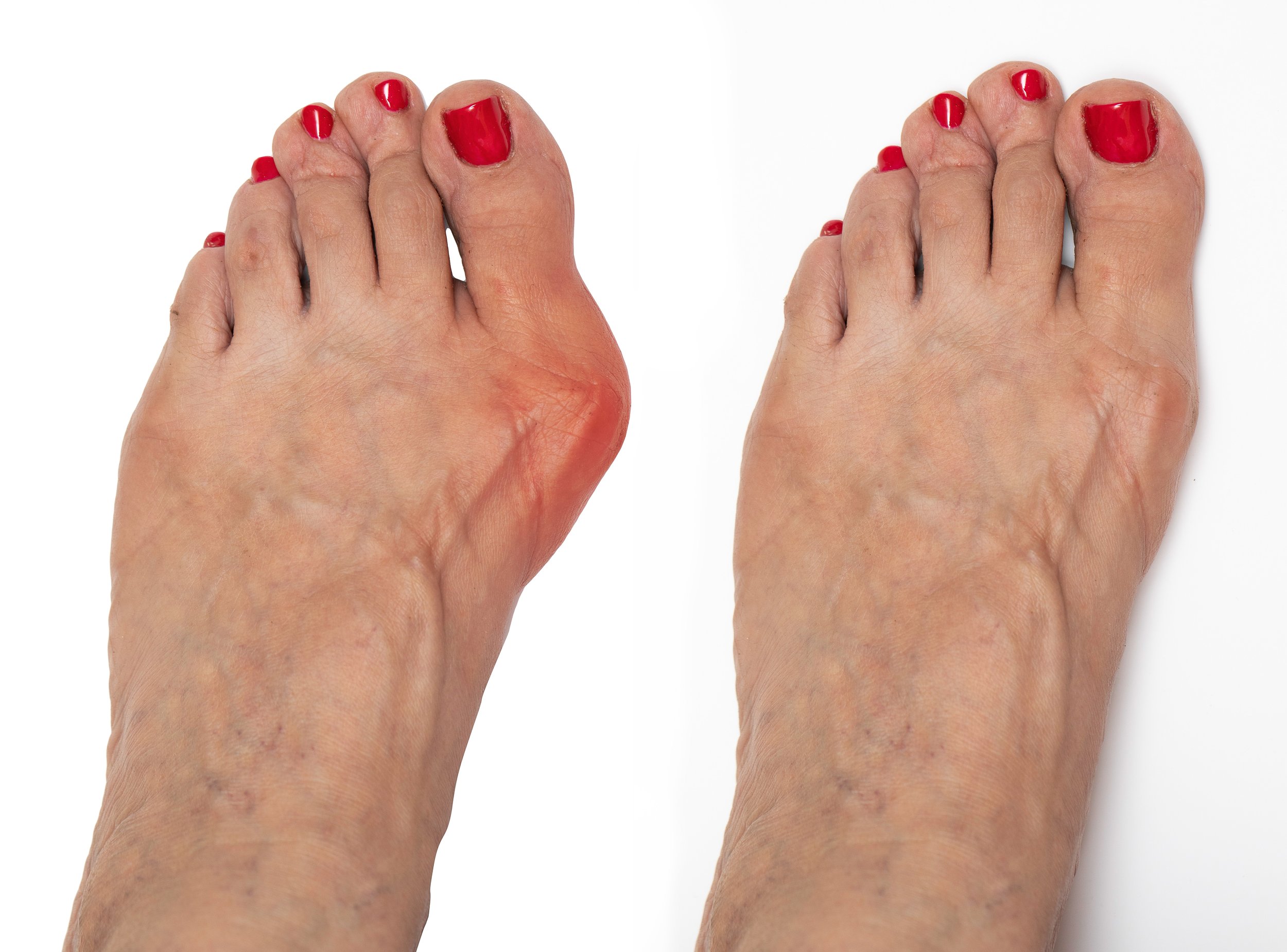
While many believe a bunion is simply an overgrowth of bone, it is actually a complex change in foot framework. The condition starts with a displacement between the first metatarsal bone and the big toe bone. As these bones shift out of alignment, the joint becomes prominent and the surrounding skin often becomes inflamed due to friction against footwear. Internally, a fluid-filled sac called a bursa cushions the joint; as the bunion progresses, this bursa can become thickened and inflamed (bursitis), leading to increased swelling and a deep, throbbing ache within the joint.
What can cause a Bunion?
At Active Arches, we treat bunions as a symptom of mechanical instability. Common drivers include:
Biomechanical Imbalance: Over-pronation (arch collapse) and flat feet put excessive pressure on the inside of the foot, forcing the joint to buckle over time.
Genetics: You don't necessarily inherit the bunion itself, but you do inherit the foot type (like a hypermobile flat foot) that is prone to developing them.
Improper Footwear: High heels and shoes with narrow, pointed toe boxes do not "cause" bunions alone, but they significantly accelerate the deformity by cramping the toes.
Arthritic Conditions: Rheumatoid arthritis can cause systemic joint damage that leads to severe hallux deviations.
Trauma: Previous injuries to the big toe joint can weaken the ligaments, allowing the bones to shift.
What are the symptoms of a Bunion?
Joint Inflammation: The area around the big toe joint frequently appears red, hot, and swollen.
Callus Development: Thickened skin often forms where the big toe and second toe rub together, or on the side of the bump itself.
Shifted Alignment: In advanced cases, the big toe may overlap or dive under the second toe, leading to secondary issues like hammertoes.
Activity-Related Pain: Pain that intensifies during walking or running and subsides with rest and the removal of shoes.
How do you treat a Bunion?
Our clinical focus is on halting the progression of the deformity and managing pain:
Custom Orthotics: This is the primary defense. Orthotics redistribute weight away from the big toe joint and stabilize the arch, reducing the mechanical "pull" that worsens the bunion.
Orthopedic Footwear: We prescribe shoes with a wide, deep toe box to eliminate pressure on the inflamed joint and prevent the toes from being squeezed.
Injection Therapy: Corticosteroid injections may be utilized to reduce severe inflammation in the bursa and joint capsule during a flare-up.
Padding and Shielding: Specialized silicone or felt padding can be used to protect the prominent bone from friction against socks and shoes.
How can I prevent a Bunion?
Prevention starts with proper footwear and early biomechanical support. Avoid high-heeled shoes and ensure your footwear has a "thumb's width" of space at the end of the toes. If you have a family history of bunions or notice your arches collapsing, using custom orthotics early can prevent the first metatarsal from shifting, effectively managing the structural integrity of your foot before a surgical intervention becomes necessary.
Stop managing discomfort and start your recovery.
Book an appointment today and get a comprehensive assessment.