
Corns and Calluses
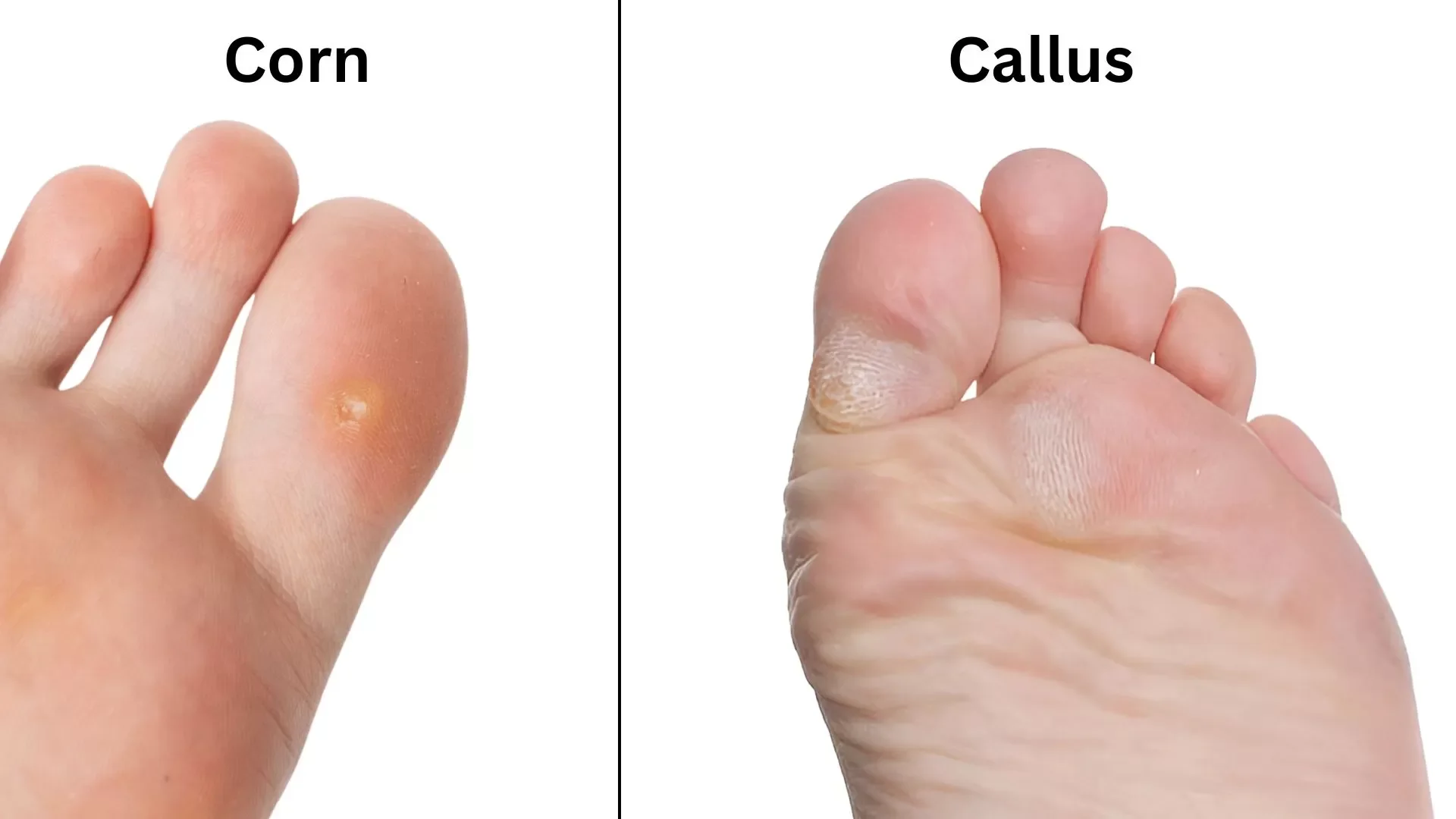
Corns and calluses are localized areas of thickened skin that develop as a natural defense mechanism against repetitive friction and pressure. In a healthy foot, the skin is soft and pliable; however, when a specific area is subjected to excessive rubbing or weight, the body produces extra layers of skin to protect the underlying tissue.
Hyperkeratosis

Symptoms
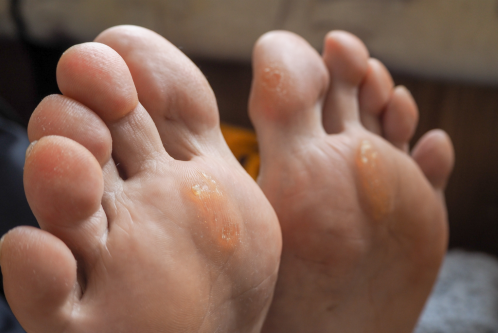
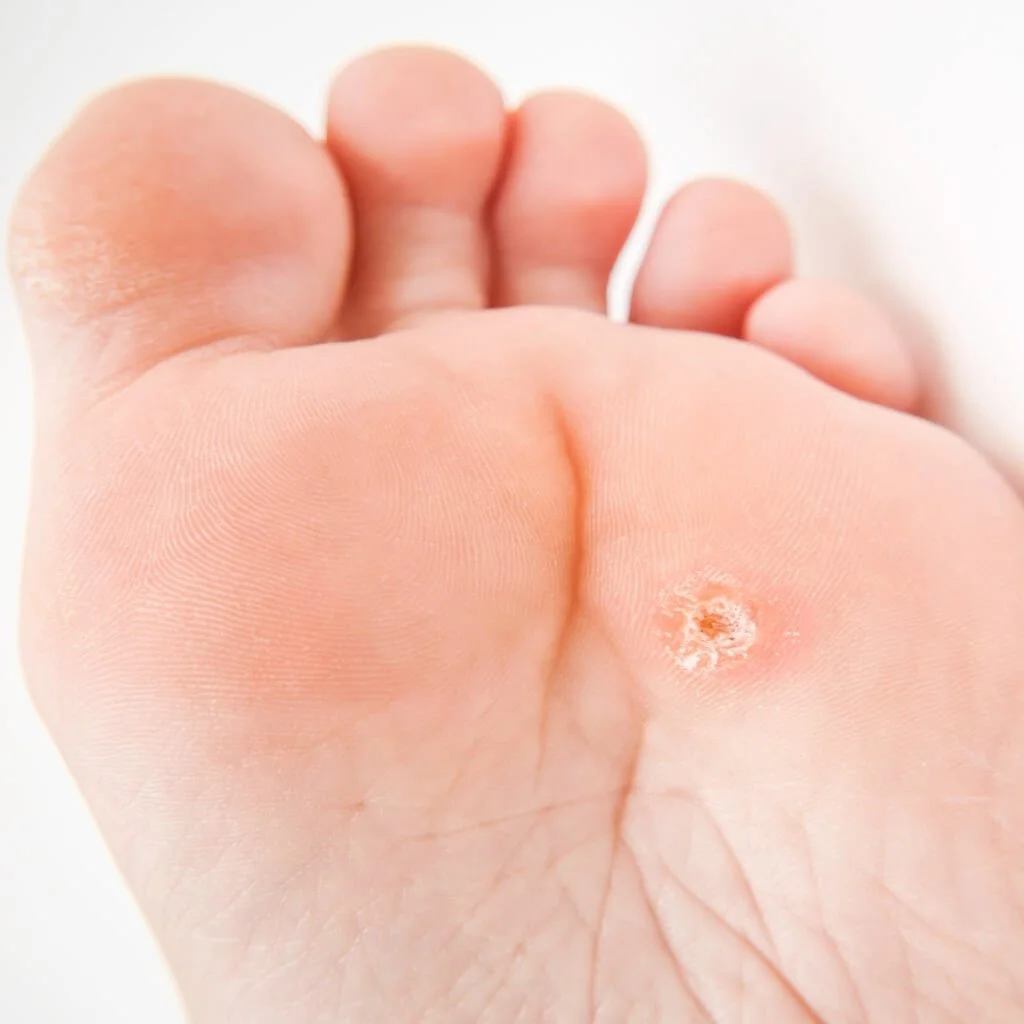
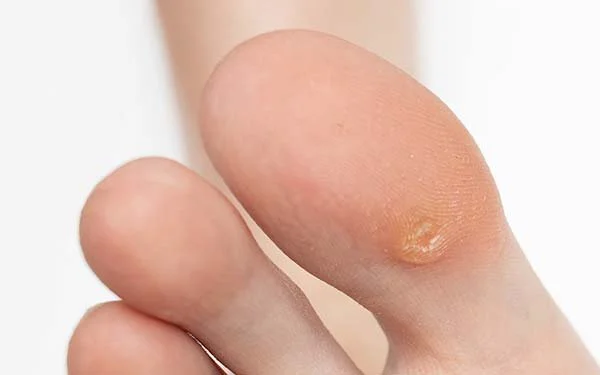
Hard, thickened patches of yellowish skin; a raised, painful bump with a hardened center (corn); localized tenderness when walking; and dry, flaky, or waxy skin in high-pressure areas.

Treatment
Professional Sharp Debridement, Custom Orthotics, Medical Foot Care, Pressure Offloading (Padding), Footwear Education.

What are Corns and Calluses?
While they both consist of dead skin cells, there is a distinct clinical difference between the two. Calluses are generally broad, flat patches of thickened skin that form on the soles of the feet, particularly under the heel or the ball of the foot. Corns (Heloma Durum or Heloma Molle) are smaller and have a hardened, conical "core" that points inward toward the bone. Because this core concentrates pressure into a tiny point, corns are often significantly more painful than calluses. Hard corns typically form on the tops of hammertoes, while soft corns develop between the toes where moisture keeps the skin pliable.
What can cause Corns and Calluses?
At Active Arches, we recognize that skin thickness is almost always a result of mechanical "hot spots":
Faulty Foot Mechanics: Conditions like flat feet or high arches cause uneven weight distribution, forcing certain areas of the foot to work harder.
Ill-Fitting Footwear: Tight shoes compress the toes, leading to corns, while loose shoes allow the foot to slide, creating the friction that leads to calluses.
Bony Deformities: Bunions and hammertoes create prominent bumps that rub against the inside of shoes.
High-Impact Activity: Athletes or those who stand for long hours on hard surfaces are prone to rapid skin buildup as the body attempts to cushion the impact.
What are the symptoms of Corns and Calluses?
Physical Discomfort: A sharp, localized pain when stepping down or wearing closed-toe shoes.
Texture Changes: Skin that feels rough, bumpy, or significantly thicker than the surrounding area.
Tissue Breakdown: In severe cases, the pressure from a corn can cause the tissue underneath to liquefy or bleed, which can lead to a serious infection—especially in diabetic patients.
Aesthetic Dullness: Yellowing or grayish patches of skin that do not resolve with standard moisturizing.
How do you treat Corns and Calluses?
Our goal is to provide immediate relief while correcting the source of the friction:
Professional Debridement: Using sterile, specialized instruments, our Chiropodists perform "sharp debridement" to painlessly remove the dead skin and the central core of the corn. This provides instant relief that cannot be safely achieved with at-home "bathroom surgery."
Custom Orthotics: To prevent the skin from growing back, we use orthotics to realign the foot and ensure weight is distributed evenly across the entire sole.
Pressure Offloading: We utilize medical-grade padding (felt or silicone) to shield prominent joints from further rubbing.
Clinical Moisturizers: We prescribe high-urea creams that help break down the excess keratin and keep the skin supple.
How can I prevent Corns and Calluses?
Prevention is centered on reducing friction. Always wear properly fitted shoes with adequate cushioning and a wide toe box. Regularly filing down minor hard skin with an emery board or pumice stone can prevent a callus from turning into a deep, painful corn. If you notice a specific area of your foot consistently developing hard skin, a biomechanical assessment at Active Arches can help identify the faulty mechanics and stop the cycle of skin buildup before it leads to chronic pain.
Stop managing discomfort and start your recovery.
Book an appointment today and get a comprehensive assessment.