
Thickened and Discolored Nails
Abnormal changes in the texture, thickness, and color of toenails are common clinical concerns that often indicate underlying mechanical or biological issues. Thickened nails (Onychauxis) and discoloration can be symptoms of long-term trauma, fungal infections, or systemic health complications.
Onychauxis, Subungual Hematoma
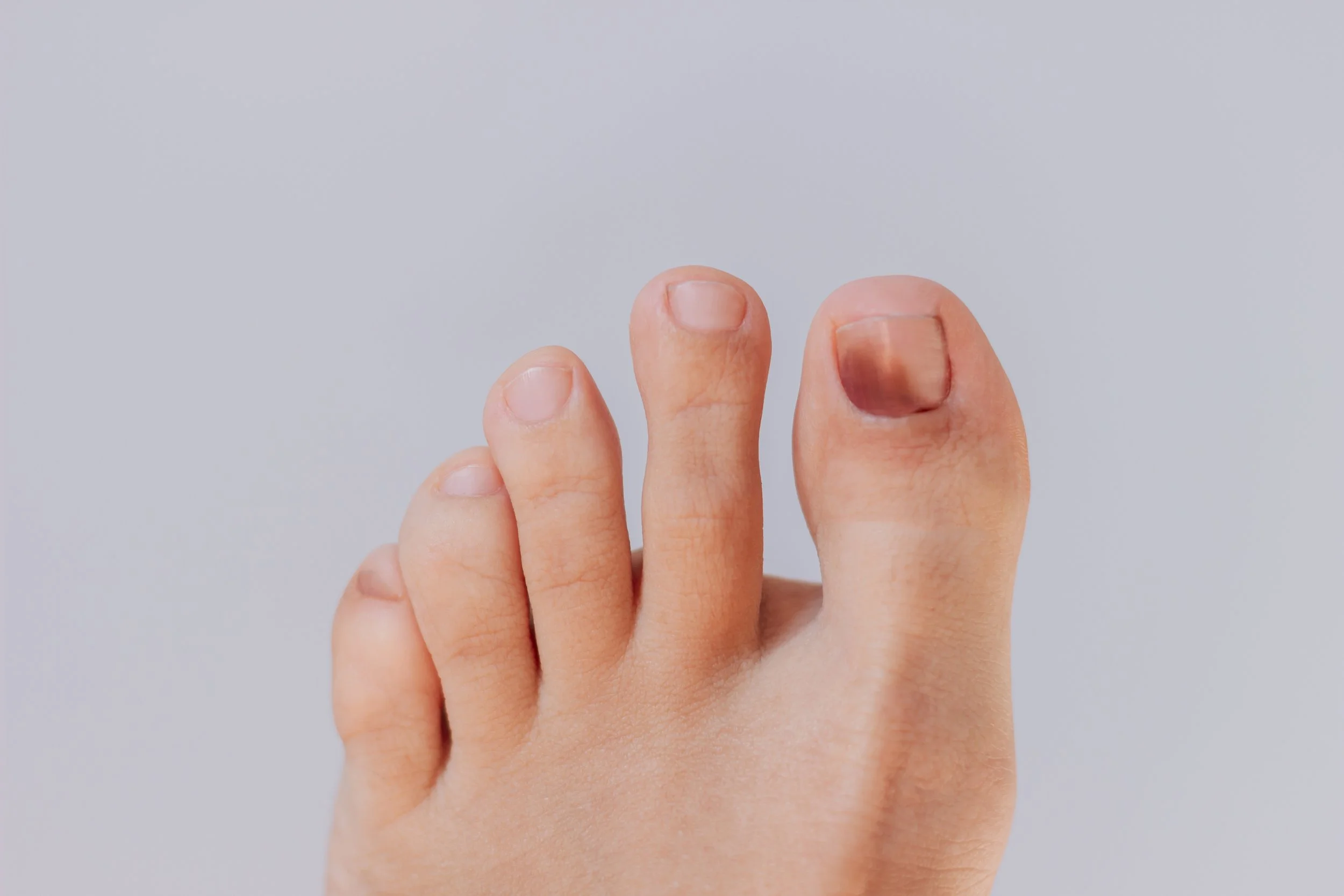

Symptoms
Increased nail thickness, yellow or brown discoloration, brittle or crumbling nail edges, pain from pressure, and dark spots under the nail (hematoma).

Treatment
Medical Foot Care, Advanced Nail Debridement, Laser Therapy, Topical or Oral Antifungals, Surgical Nail Removal.
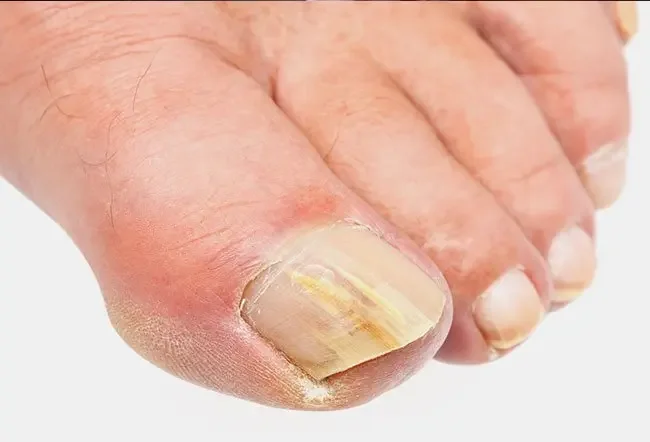
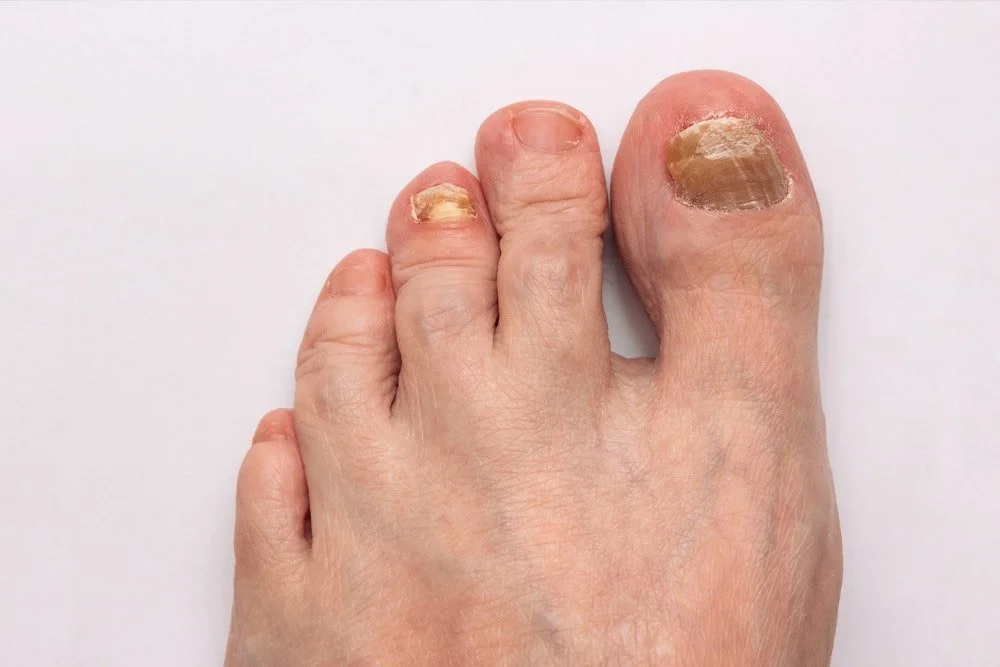
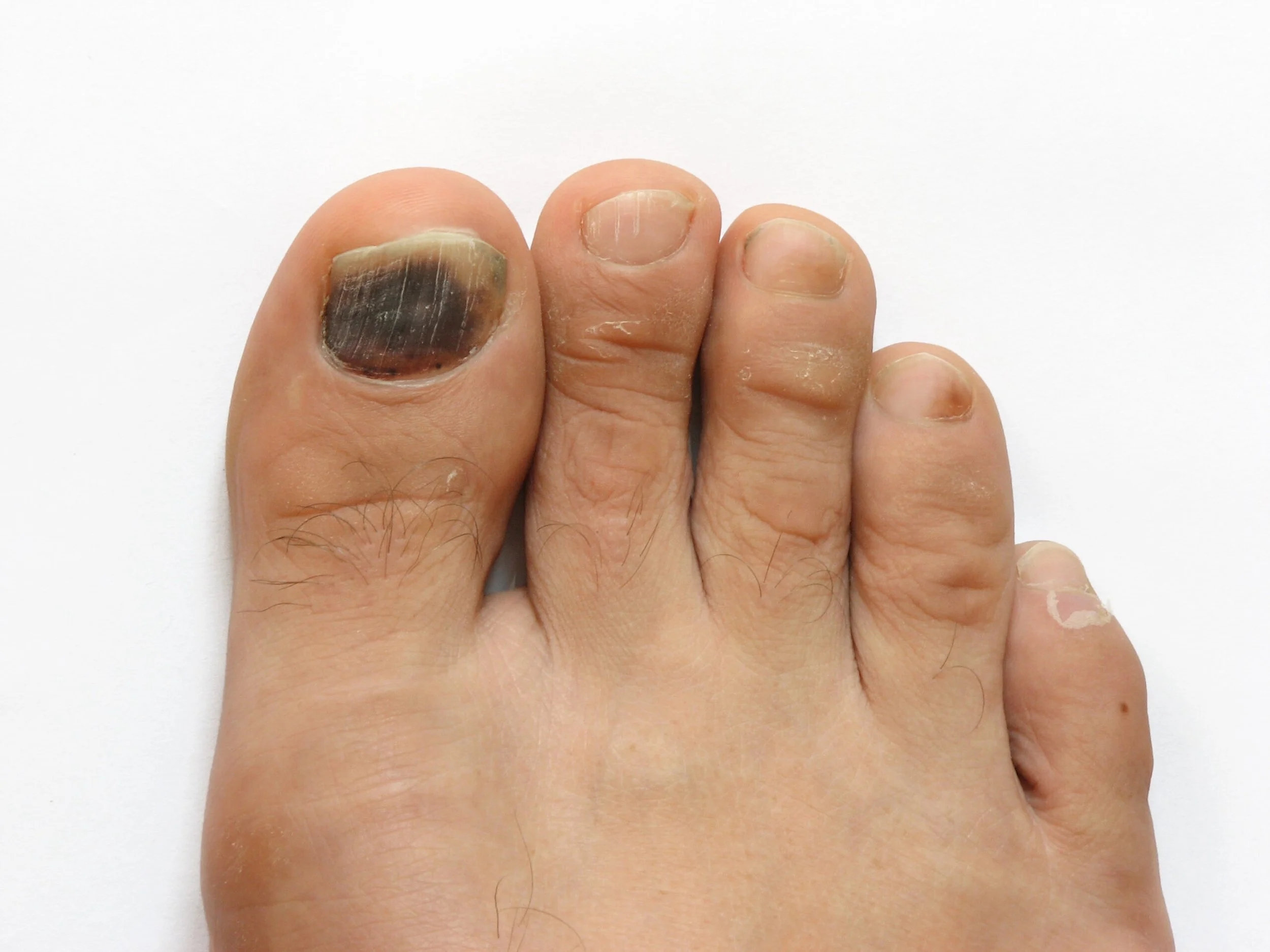
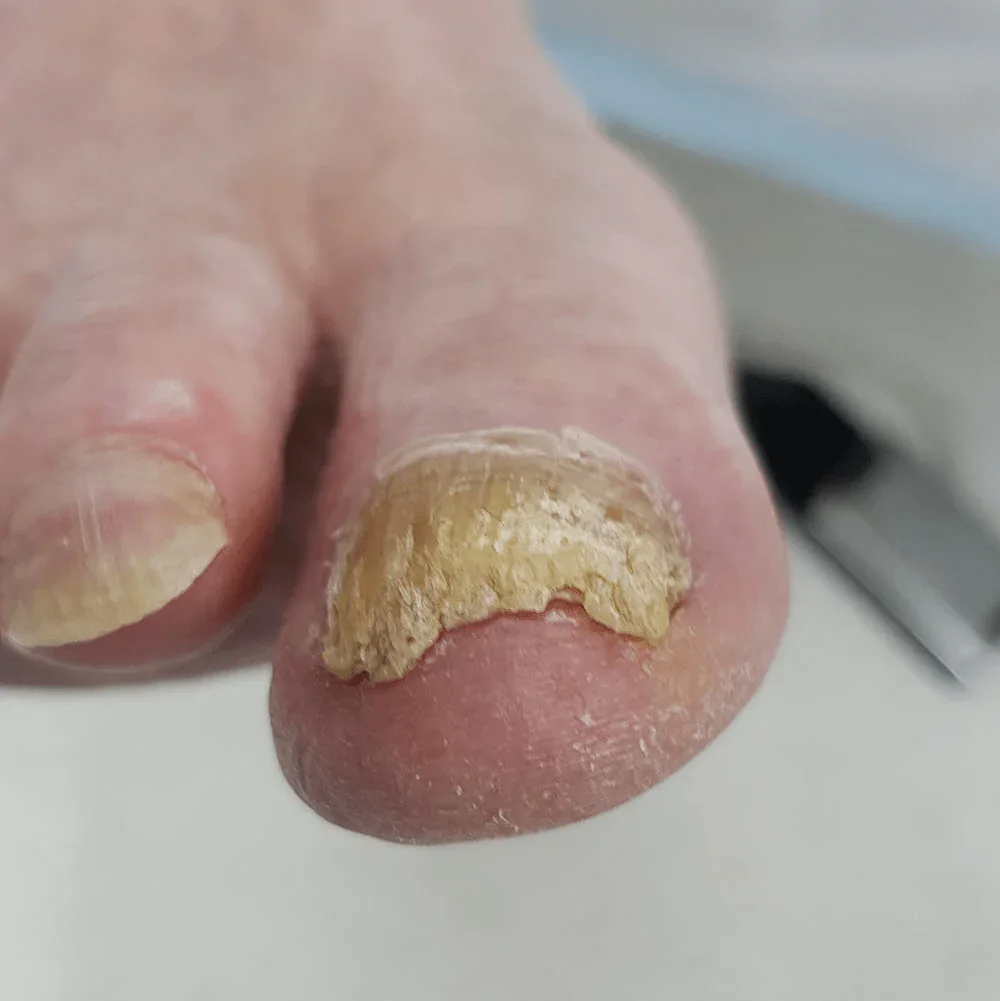
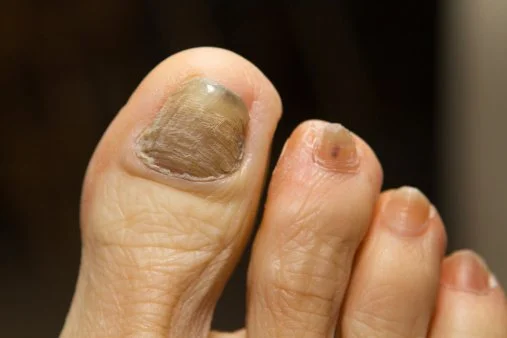
What are Thickened and Discolored Nails?
Nails serve as a protective barrier for the sensitive skin of the nail bed. Thickened nails, medically known as Onychauxis, occur when the nail plate grows excessively deep rather than long. This often makes the nail difficult to trim with standard clippers. Discoloration can manifest in several ways: a yellow or cloudy appearance usually suggests a fungal infection (Onychomycosis), while a dark black or purple spot under the nail is typically a Subungual Hematoma—essentially a bruise or blood blister trapped beneath the plate. If a nail appears white or chalky, it may indicate superficial fungal growth or psoriasis of the nail.
What can cause these nail changes?
Micro-Trauma: Repetitive rubbing against the front of a shoe (common in runners) causes the nail to thicken as a defense mechanism.
Acute Injury: Dropping a heavy object on the toe can cause a subungual hematoma, leading to temporary discoloration or the eventual loss of the nail.
Fungal Infections: Fungi thrive in the warm, moist environment of footwear, invading the nail bed and eating away at the keratin.
Circulatory Issues: Poor blood flow, often associated with aging or diabetes, can prevent the nail from receiving the nutrients required for healthy, thin growth.
What are the symptoms of Nail Pathologies?
Physical Pressure: Thickened nails can press against the toe box of a shoe, causing significant pain and secondary inflammation.
Texture Changes: Nails that become brittle, scaly, or develop a "powder-like" debris underneath the free edge.
Aesthetic Shifts: Pronounced yellowing, browning, or opaque white patches that do not disappear as the nail grows.
Difficulty in Maintenance: An inability to cut the nail at home without it cracking or causing pain.
Risk factors for Thickened and Discolored Nails
Age: Nail growth slows as we age, often leading to natural thickening and increased susceptibility to infection.
Athletics: Frequent "stop-and-go" movements in sports like soccer or tennis put constant pressure on the nail tips.
Health Conditions: Diabetes and peripheral lily vascular disease increase the risk of nail changes.
How do you treat Thickened and Discolored Nails?
At Active Arches, we utilize specialized tools to restore the nail’s appearance and health:
Clinical Debridement: We use high-speed medical Dremels to safely "thin out" the nail plate, reducing pressure and making the nail easier to manage.
Hematoma Management: For acute discoloration from injury, we can safely drain the trapped blood to relieve pressure and prevent the nail from falling off.
Pathology Testing: If a fungal infection is suspected, we take a sample for lab analysis to ensure the correct antifungal treatment is prescribed.
Surgical Intervention: In cases of severe deformity or chronic pain, a Partial Nail Avulsion can permanently remove the problematic section of the nail.
How can I prevent these issues?
Prevention is centered on hygiene and proper fit. Always choose footwear with a wide toe box to prevent micro-trauma. Keep feet dry, change socks daily, and never share footwear or nail clippers. If you notice early signs of yellowing or thickening, seeking a professional assessment immediately can prevent the condition from spreading to other toes.
Stop managing discomfort and start your recovery.
Book an appointment today and get a comprehensive assessment.