
Flat Feet and High Arches
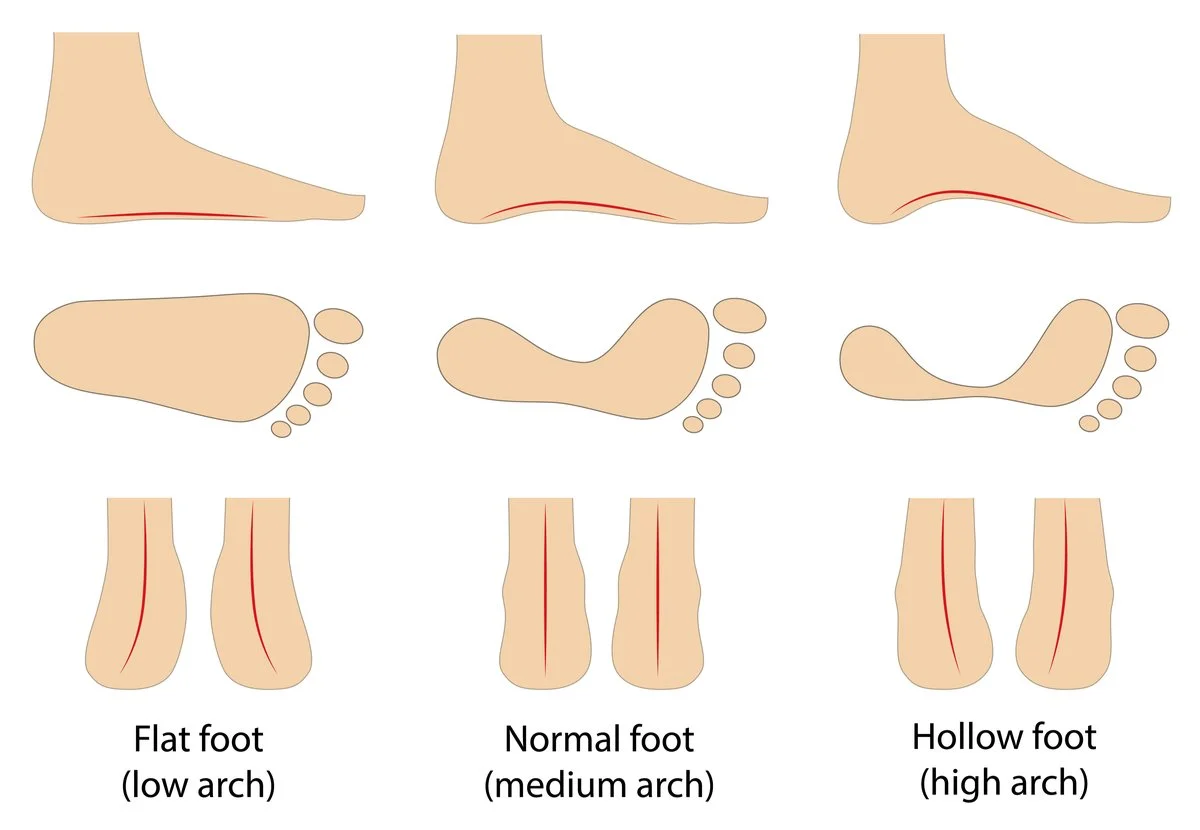
The shape of your foot’s arch determines how your body absorbs shock and distributes weight. Arch types are categorized into two primary structural profiles: Flat Feet (Pes Planus) and High Arches (Pes Cavus). Both conditions represent a departure from the "neutral" arch and can lead to significant biomechanical stress on the ankles, knees, and lower back if not properly managed.
Pes Planus & Pes Cavus

Symptoms
Flat Feet: Arch collapse, inward rolling ankles (overpronation), achy feet, and pain in the shins or lower back. Corns and Calluses.
High Arches: Visible convex arch, pain on the top of the foot, outward rolling ankles (oversupination), and frequent ankle sprains. Corns and Calluses.

Treatment
Custom Orthotics, Orthopedic Footwear, Physical Therapy, Ankle Foot Orthotics (AFO)
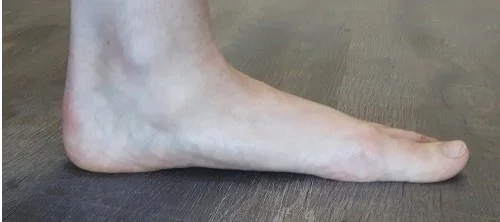
What are Flat Feet and High Arches?
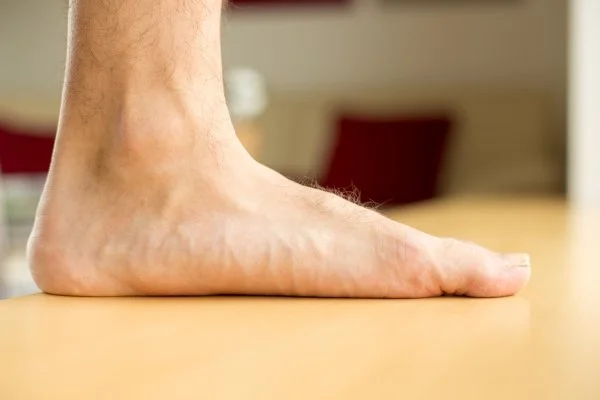
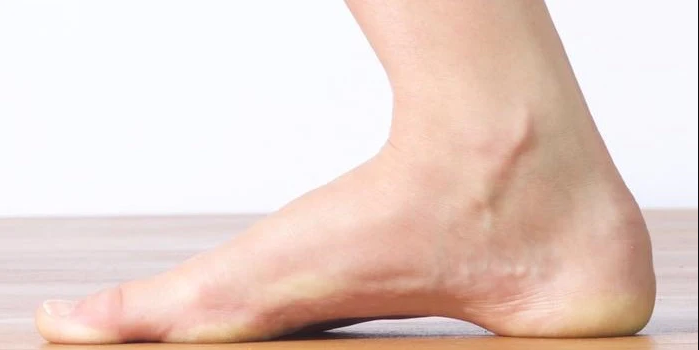
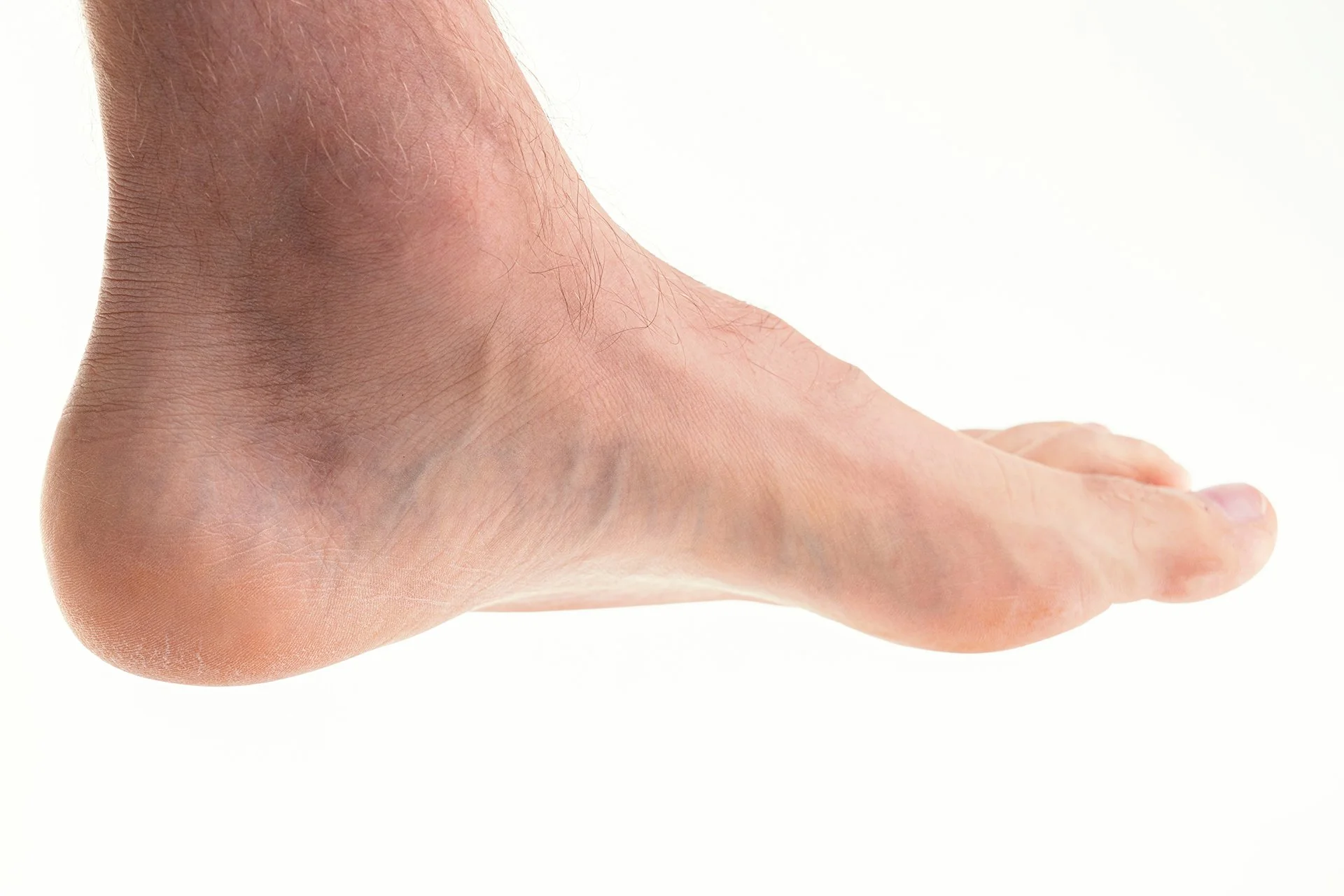
Flat Feet occur when the longitudinal arch of the foot collapses, causing the entire sole to touch the ground. This often results in a "hypermobile" foot that lacks the stability needed for efficient movement. High Arches are the opposite; the foot has a very fixed, convex shape that remains high even when standing. This creates a "rigid" foot that fails to absorb shock, instead concentrating all the body's weight onto the heel and the ball of the foot (the metatarsals). While flat feet are about a lack of support, high arches are about a lack of flexibility.
What can cause these arch types?
Genetics: Arch height is largely hereditary and often runs in families.
Neurological Factors: High arches, in particular, can sometimes be associated with neurological conditions like Charcot-Marie-Tooth or Cerebral Palsy.
Injury and Trauma: A ruptured tendon (such as the posterior tibial tendon) can cause an arch to fall, while a severe fracture may lead to a rigid high arch.
Systemic Changes: Conditions like arthritis or the physical changes during pregnancy can alter arch height and foot stability over time.
What are the symptoms and associated risks?
Ankle Instability: High arches often lead to frequent ankle rolling, while flat feet lead to ankle collapse and strain on the inner ligaments.
Calluses and Corns: Both conditions create "hot spots" of pressure—on the ball of the foot for high arches, and the inner side of the foot for flat feet.
Radiating Pain: The mechanical misalignment caused by these arch types often results in secondary pain in the knees, hips, and lower back.
Tendonitis: Flat feet are a major risk factor for Achilles Tendonitis, while high arches are frequently linked to Plantar Fasciitis due to the lack of shock absorption.
Heel/Arch pain: plantar fasciitis is very common in both foot types.
How do you treat Flat Feet and High Arches?
Because these are structural positions of the bone, treatment does not "change" the shape of the foot, but rather optimizes how it functions.
Custom Orthotics: For flat feet, orthotics provide the lift and stability the arch is missing. For high arches, orthotics are designed to fill the void under the arch to redistribute weight and provide much-needed cushioning.
Supportive Footwear: We recommend shoes with a firm heel counter and appropriate depth. Patients with high arches often need "neutral" shoes with maximum cushioning, while those with flat feet require "stability" or "motion control" footwear.
Assessment and Education: A full gait analysis at Active Arches helps identify which parts of your kinetic chain are being stressed, allowing us to create a preventative maintenance plan.
How can I prevent complications?
While you cannot prevent your genetic arch shape, you can prevent the pain that often follows. Using custom orthotics early in life can prevent the "progressive" collapse of flat feet. For those with high arches, maintaining calf flexibility through daily stretching can reduce the tension on the rigid foot structure. The key is intervention before the structural shape leads to chronic soft-tissue injury.
Stop managing discomfort and start your recovery.
Book an appointment today and get a comprehensive assessment.