
Leg Veins and Swelling
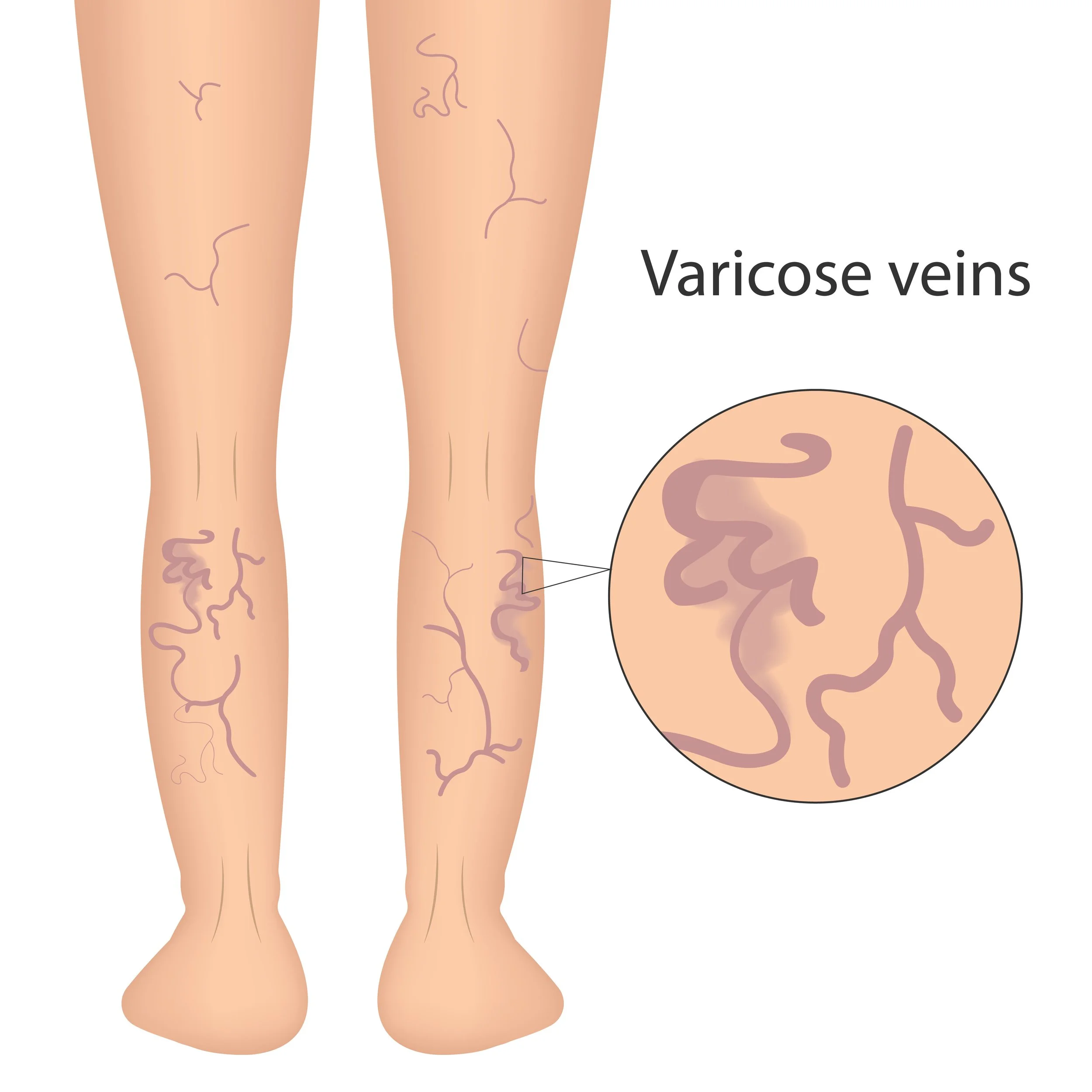
Varicose veins and Edema are common circulatory conditions that primarily affect the lower extremities. Varices occur when the veins become enlarged, dilated, and overfilled with blood, often appearing twisted or bulging. Edema is described as swelling caused by excess fluid trapped in the body's tissues. While they are distinct conditions, they are frequently linked.
Varicose Veins and Edema

Symptoms
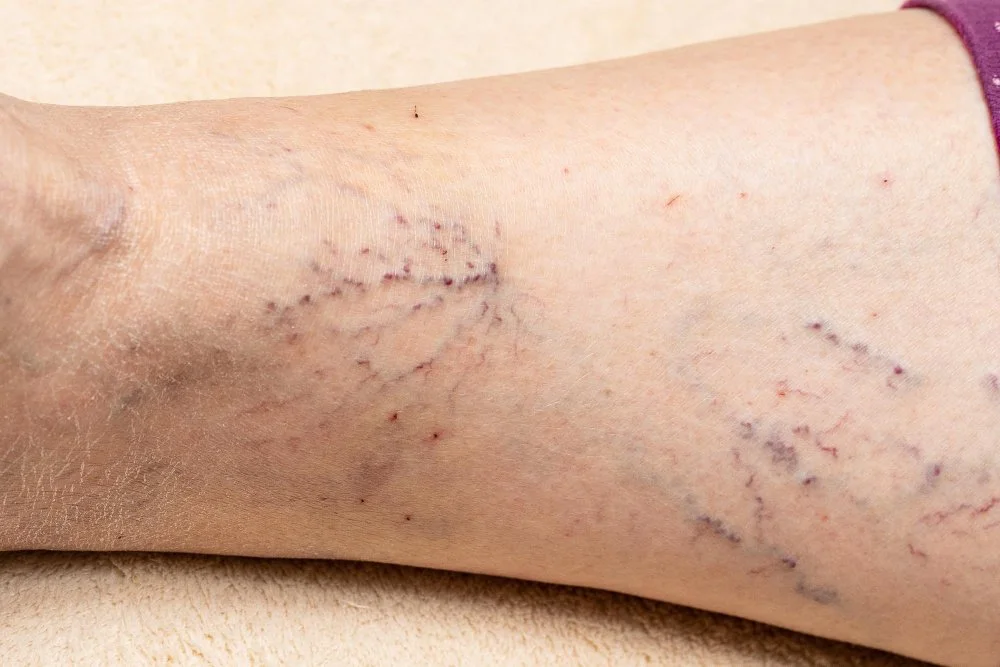
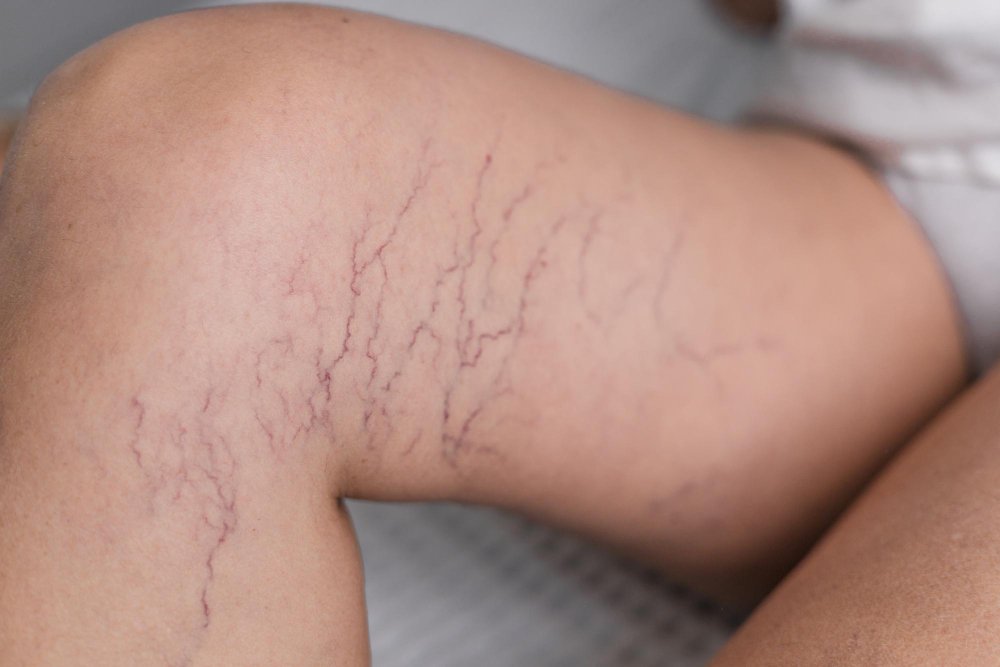
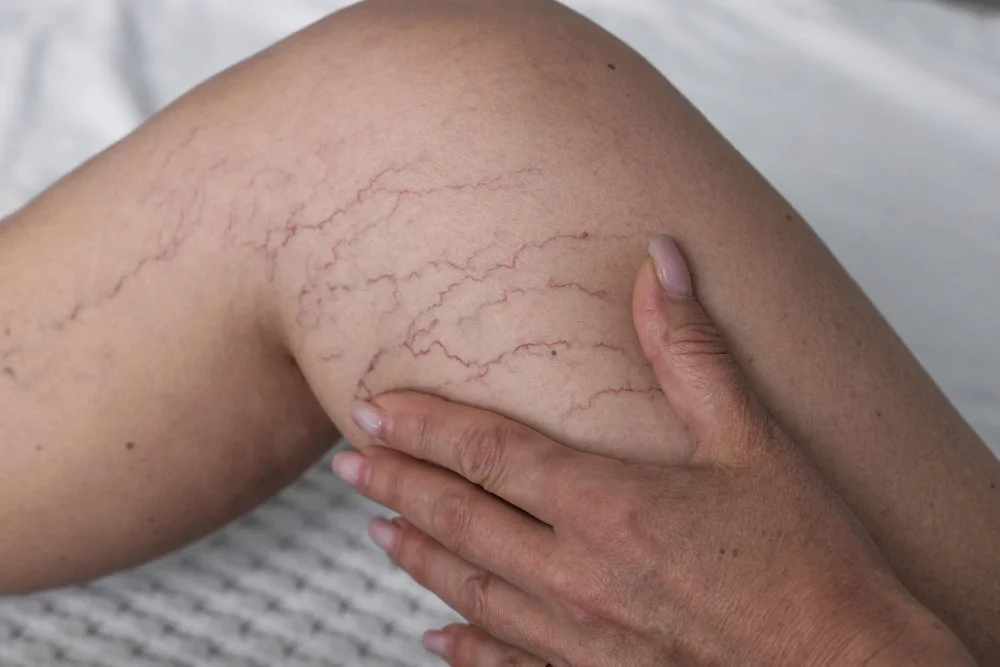
Varicose Veins: Enlarged, purplish veins; spider veins (telangiectasia); heavy, aching legs; and localized itching or dryness.
Edema: Swelling in the feet and ankles; stretched or shiny skin; and "pitting" (a dimple that remains after pressing on the skin).

Treatment
Medical Compression Therapy, Sclerotherapy, Laser Therapy, Lifestyle Modification, Protective Skin Care.
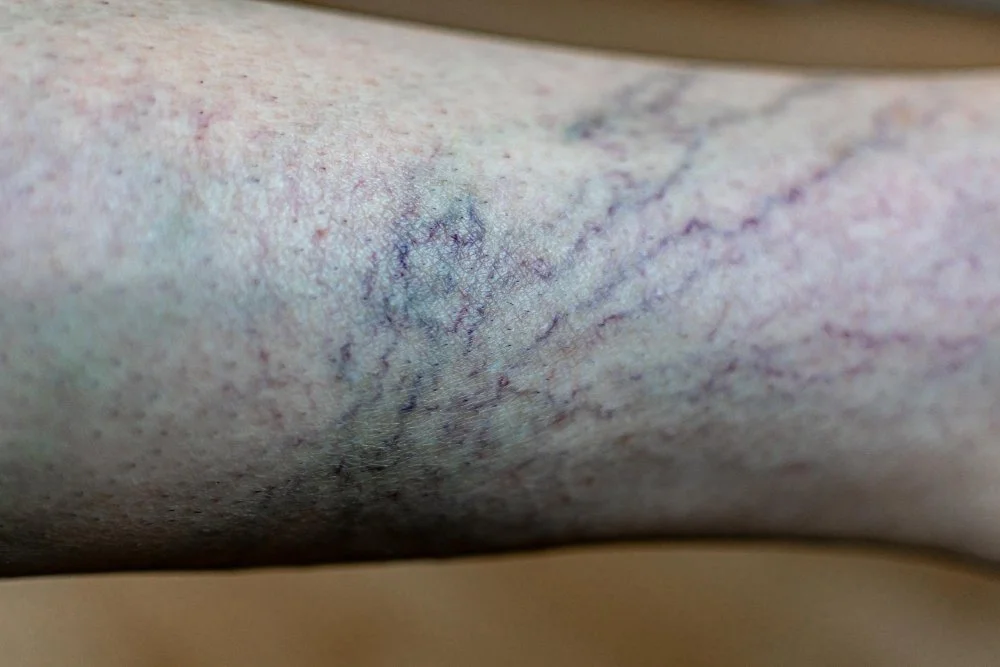
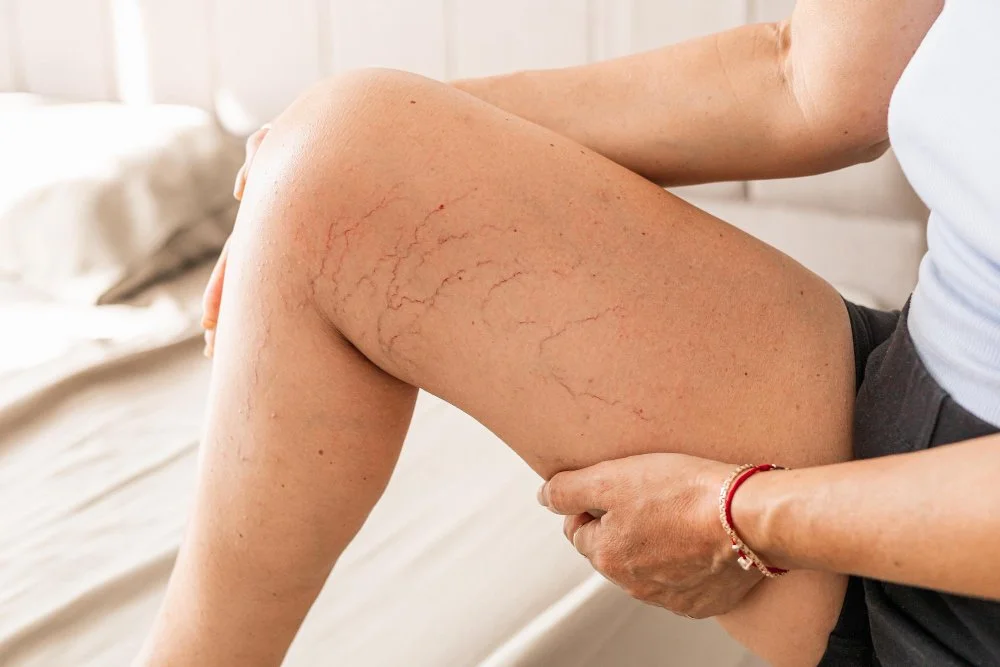
What are Varicose Veins and Edema?
In a healthy circulatory system, veins have one-way valves that prevent blood from flowing backward. Varicose veins develop when these valves weaken or fail, causing blood to pool in the vein rather than continuing toward the heart. This increased pressure causes the vein to stretch and twist. Edema occurs when this venous pressure forces fluid out of the blood vessels and into the surrounding interstitial tissues. In the feet and ankles, this manifests as visible swelling that often worsens as the day progresses. If left unmanaged, chronic edema can lead to skin changes, increased risk of infection (cellulitis), and even venous ulcers.
What can cause these circulatory issues?
There are various lifestyle and systemic factors that contribute to vascular strain:
Occupational Stress: Long periods of standing or sitting without movement prevent the "calf muscle pump" from assisting blood flow.
Venous Insufficiency: Weakened vein walls or damaged valves, often due to genetics or aging.
Systemic Conditions: Underlying health issues such as congestive heart failure, kidney disease, or diabetes can severely impact fluid regulation.
Hormonal Changes: Pregnancy often triggers both conditions due to increased blood volume and the mechanical pressure of the uterus on pelvic veins.
Lifestyle Factors: Obesity and a high-sodium diet contribute to fluid retention and increased venous load.
What are the symptoms of Varicose Veins and Edema?
Aching and Heaviness: A persistent "tired" feeling in the legs that is often relieved by elevation.
Skin Changes: The skin over swollen areas may appear tight, shiny, or discolored (stasis dermatitis).
Pitting: One of the clearest signs of edema is when a gentle press of the finger leaves a lasting indentation in the skin.
Night Cramps: Restless legs or muscle cramping in the calves, often associated with venous congestion.
How do you treat Varicose Veins and Edema?
Our clinical focus is on improving venous return and reducing fluid accumulation:
Medical Compression Therapy: We prescribe graduated compression socks, measured in $mmHg$, to apply external pressure to the limbs. This assists the veins in moving blood upward and prevents fluid from leaking into the tissues.
Sclerotherapy and Laser Therapy: For visible varicose veins, medical specialists may use injections or light energy to collapse the damaged vessels, redirecting blood to healthier veins.
Elevation and Movement: We educate patients on the "30-minute rule"—moving or changing positions every half hour—and elevating the feet above the heart level to use gravity to reduce swelling.
Skin Protection: Swollen skin is fragile. We provide guidance on moisturizing and protecting these areas from injury to prevent the development of sores or infections.
How can I prevent these issues?
Prevention is centered on maintaining active circulation. Regular exercise, such as walking or swimming, strengthens the calf muscles that act as a natural pump for your veins. Monitoring salt intake helps reduce systemic fluid retention, while maintaining a healthy weight minimizes the mechanical load on your lower body's vascular system. Wearing compression socks during long flights or work shifts can proactively prevent the onset of both varicose veins and chronic edema before they become permanent structural issues.
Stop managing discomfort and start your recovery.
Book an appointment today and get a comprehensive assessment.