
Ingrown Toenails
An ingrown toenail is a painful condition where the edge or corner of the nail grows into the surrounding skin of the toe. Medically known as onychocryptosis, this most commonly affects the big toe but can occur on any digit. The nail acts as a foreign body, piercing the soft tissue and creating an entry point for bacteria. While some cases are minor and cause only slight tenderness, others can lead to severe inflammation, the growth of extra skin (granulation tissue), and deep infections that require clinical intervention.
Onychocryptosis

Symptoms
Pain and tenderness along the side of the nail; redness and swelling; increased warmth; and drainage such as pus or bloody discharge indicating a potential infection.

Treatment
Partial Nail Avulsion (Surgical), Clinical Nail Debridement, Nail resection under numbing
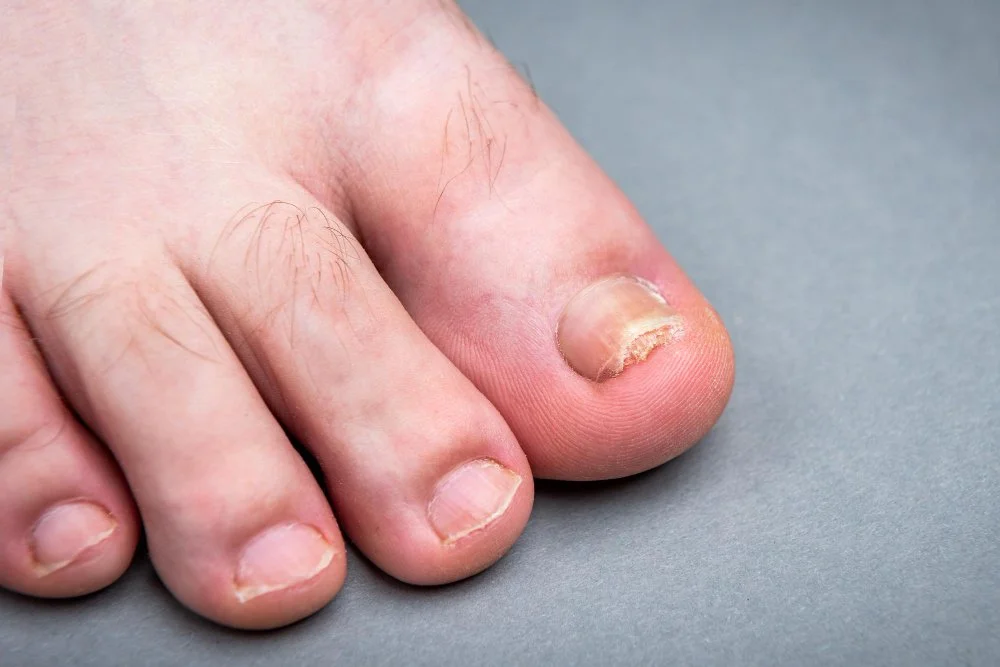
What are Ingrown Toenails?
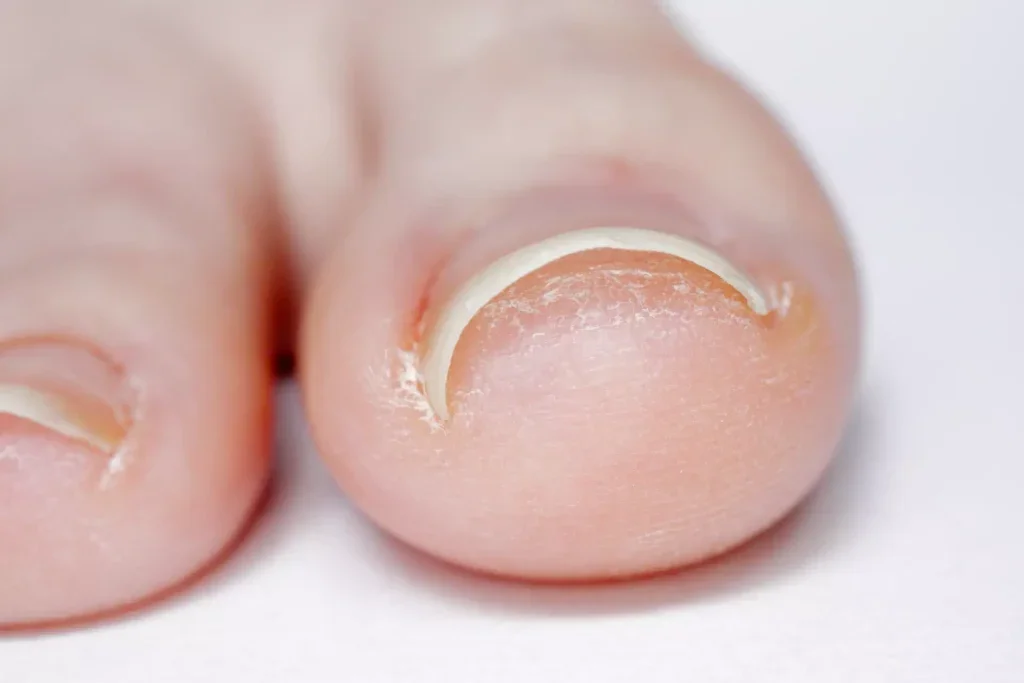
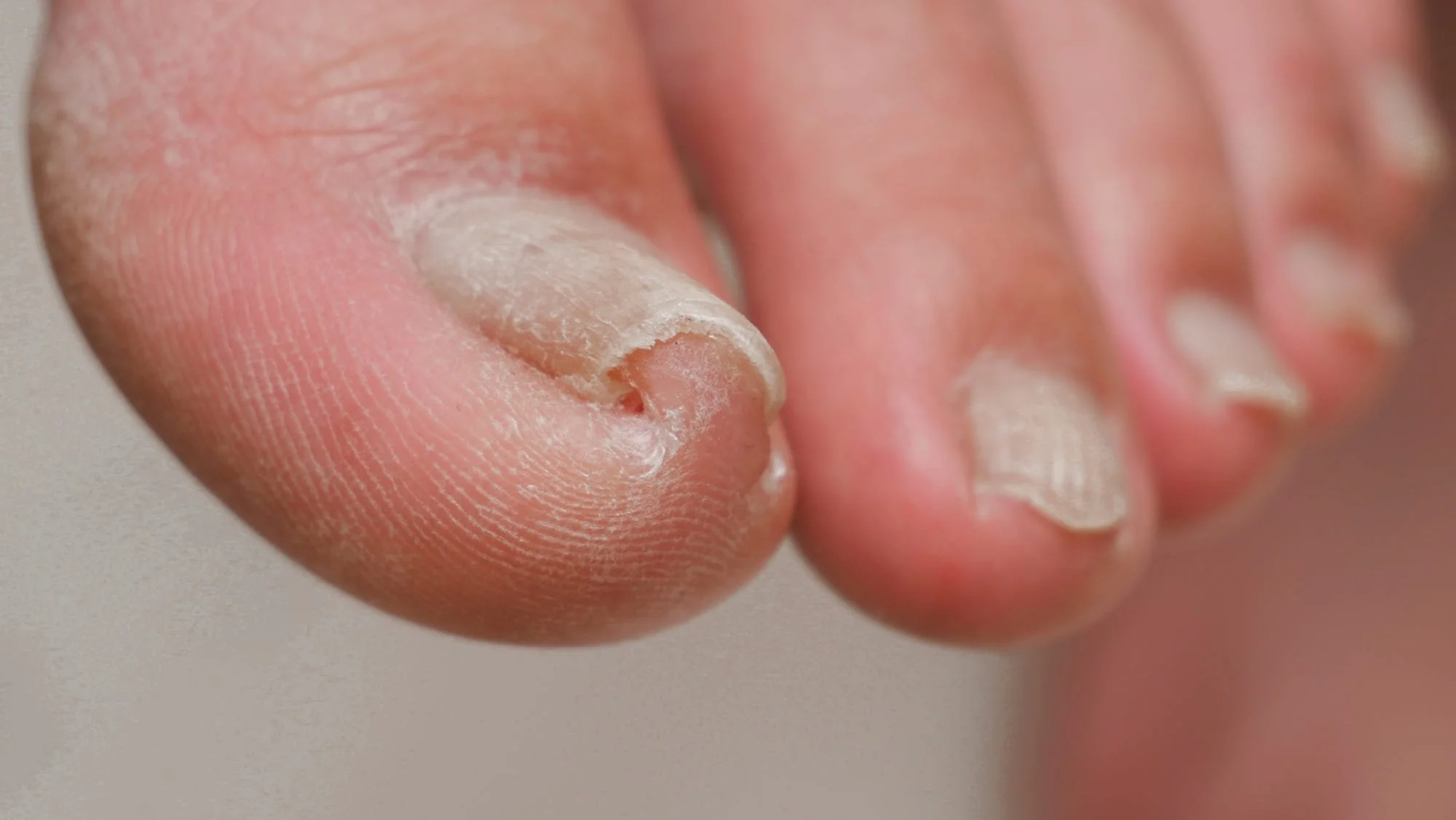
Ingrown toenails occur when the "sidewall" of the nail plate is driven into the "nail fold" of the toe. This can happen gradually due to the natural curvature of the nail or suddenly due to external pressure. Once the skin is breached, the body’s inflammatory response is triggered. If left untreated, the area may develop an abscess or "proud flesh" (granulation tissue), which is a red, beefy growth of skin that bleeds easily. At Active Arches, we distinguish between a simple ingrown nail and an infected one to ensure the most effective treatment path is taken.
What can cause Ingrown Toenails?
Several factors can cause a nail to deviate from its healthy growth path:
Improper Cutting Technique: Cutting nails too short or rounding the corners allows the skin to fold over the nail, which then grows directly into the tissue.
Biomechanical Stress: Overpronation (flat feet) causes the big toe to "roll" against the second toe, pushing the skin into the nail edge during every step.
Trauma: Stubbing your toe or having a heavy object fall on the nail can shift the nail's position or damage the growth matrix.
Genetics: Some individuals are born with "pincer" or "involuted" nails that naturally curl deeply into the skin.
Constrictive Footwear: Shoes with a narrow toe box or tight hosiery squeeze the toes together, forcing the nail plate into the flesh.
What are the symptoms of Ingrown Toenails?
Localized Pressure: Pain that is most intense when wearing shoes or when the side of the toe is touched.
Erythema and Edema: Visible redness and swelling that often starts at the corner of the nail and spreads down the side of the toe.
Exudate: Clear fluid, blood, or yellowish pus indicates that the "wound" created by the nail has become infected.
Hypertrophy: The skin next to the nail may become thickened or overgrown as it tries to protect itself from the irritating nail edge.
How do you treat Ingrown Toenails?
We offer both conservative and permanent solutions depending on the severity:
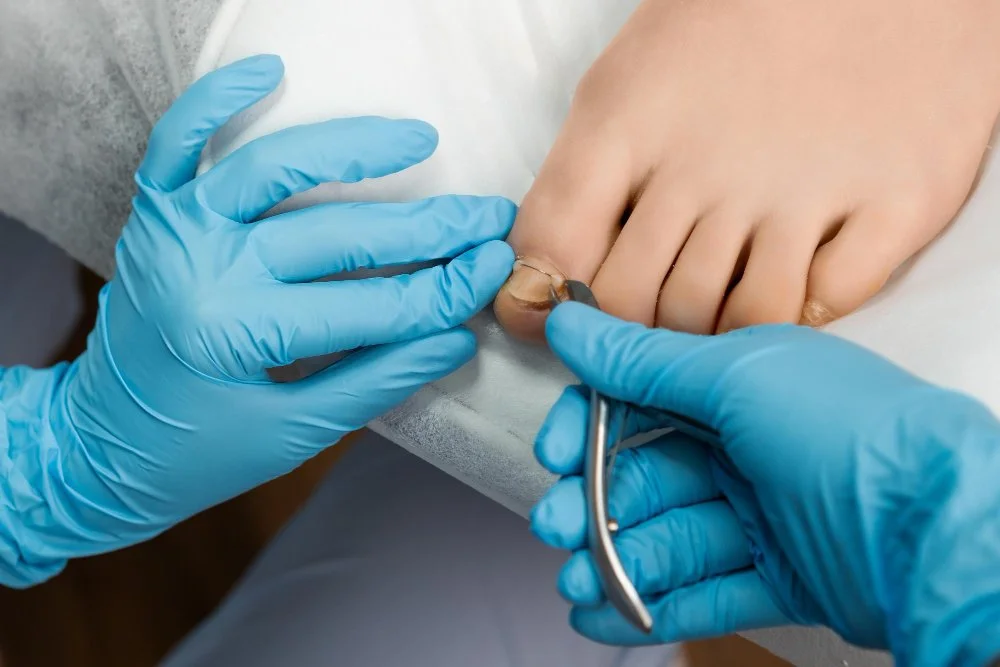
Clinical Debridement: For mild cases, our foot specialists can safely clear the "spicule" or offending nail shard using precision instruments without the need for surgery.
Partial Nail Avulsion (PNA): This is a highly successful, in-office procedure for chronic or infected nails. We numb the toe, remove the narrow strip of nail that is ingrowing, and apply a chemical (phenol) to the root to prevent that specific piece from ever growing back.
How can I prevent Ingrown Toenails?
The most effective prevention is proper nail hygiene: always trim your toenails straight across and never "dig" into the corners. Ensure your shoes have a wide enough toe box so that your toes are not compressed against one another. If you have naturally curved nails or flat feet, regular maintenance by a foot specialist can prevent a spike from ever developing. Most importantly, avoid "bathroom surgery"—attempting to cut out an ingrown nail yourself often leaves a deep shard behind, which significantly increases the risk of a severe infection.
Stop managing discomfort and start your recovery.
Book an appointment today and get a comprehensive assessment.